

Gathering Grace Feeding Program
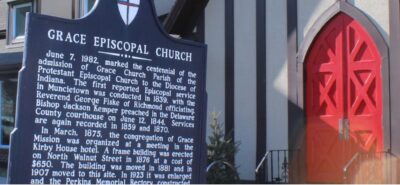 Grace Episcopal Church in Muncie, Indiana, has been located in the southeast area of downtown Muncie for 140 years. Through the years, the area around the church has changed, and Grace has changed, too, by participating in various neighborhood projects and generating many outreach programs, including its feeding program, Gathering Grace, which began in 2008. Before the pandemic, they served more than 100 hot meals every Sunday.
When COVID hit, they were unable to continue sit-down meals, but that didn’t stop them from giving out hot food. The volunteers hand out a hot meal in a sack every Sunday and include a sandwich for later, plus a bottle of water. They average about 70 meals per week and have anywhere from six to 10 volunteers helping with the meal each Sunday. Rev. Dr. Paul Jacobson, the church’s rector, believes that opening the parish to the community in this way is the most important work their parish does.
To avoid this outreach getting shut down by the Health Department (which had been graciously considering these “church meals,” even though each one was being served to the public), changes needed to be made to the building. There were discussions beginning several years ago about the possibility of building a commercial kitchen. Two parishioners, Kristi Koriath and Sandra Kelly, spearheaded the investigation of potential grants for this project. This process took a few years. But when some grant monies began coming in, things happened quickly, and the decision was made to go ahead with the project.
Beginning in October of 2019, the parish raised more than $170,000 over 15 months. Ellen Brinkman led the capital campaign, which was how most of the money was raised, along with grants from the diocese, the Ross Foundation, and Indiana Landmarks. In August of 2020, construction began, and it was concluded in November 2020.
In March 2021, the Gathering Grace cooking team, led by parishioners Connie and Joe Turner, began cooking meals in the new commercial-grade kitchen. Six parishioners and friends became certified food handlers, and often at least four of them are volunteering at each Sunday meal. The meal costs are totally covered by parishioner donations and sometimes food donations from restaurants/caterers. “We do have visions that the kitchen might be used for more than just the Gathering Grace Sunday meals,” said Mary Mordue, one of the cooking team who also helped apply for grants and other fundraising. Future possibilities for ways the commercial kitchen could serve the community include offering food service, cooking classes, and incubator space to those entrepreneurs wanting to work in the field of food services. But right now, the program’s goal is to address food insecurity.
Barbara Wills and her husband Phil were among the founding volunteers. Barbara spoke to the aspects of fellowship and welcome, which are strongly felt between the volunteers and the people they serve. She said, “I think the people that came felt very safe and welcomed, no matter what they had done or no matter who they are. If you aren’t willing to do that, it isn’t going to work.” (Barbara was also named the Diocese of Indianapolis’ 2022 Distinguished Woman.)
Grace Episcopal Church has chosen to remain in downtown Muncie instead of moving to the suburbs, to open a kitchen and building to feed those who are hungry, to make a conscious effort to welcome all people, and to be open to what God intends for us to do and to bloom where we were planted.
Submitted by Mary Mordue
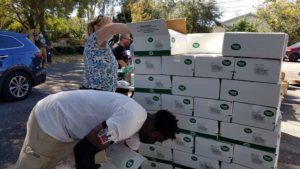 Nuestra iglesia está pasando por cambios. El primero de ellos es que nos estamos adaptando a estar en el medio de una pandemia, y el siguiente de los cambios, es que pasamos por un proceso de transición para darle la bienvenida a la nueva sacerdotisa. Nuestra nueva sacerdotisa apoya el ministerio de Mujeres de la Iglesia Episcopal y conmina al comité del Obispo junto al Grupo de Mujeres de la Iglesia Episcopal a continuar en la búsqueda mas allá de la misma iglesia para servir a la comunidad y sus necesidades. El Ministerio de Mujeres de la Iglesia Episcopal consiste en un grupo pequeño de mujeres dedicadas a esa tarea de manera exacta.
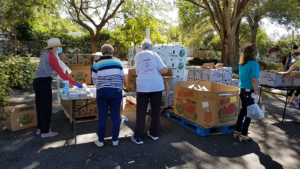 Our church is going through changes. The first is that we are adapting to being in the middle of a pandemic, and next, we are going through a transition period of welcoming a new priest. Our new priest supports our Episcopal Church Women ministry and urges our Bishop’s Committee along with our ECW to continue to look beyond our church walls to serve our community in its needs. Our ECW ministry consists of a small group of dedicated, caring women who do exactly that!
 La compañía “Cornerstone Kids” ha servido a la comunidad de “Tampa Heights” por 38 años. Comenzó a fungir como “Cornerstone Club” en el año 1984, fundada por el Reverendo Bruce Caldwell, quien fuera el rector de La Casa Episcopal de Oración. Su intención fue la de proveer un lugar seguro para los niños en la zona menospreciada de “Tampa Heights” para su entretenimiento y el poder evitar la negatividad del vecindario en cuestión. El Club fue financieramente apoyado por la iglesia y operada de manera exitosa dos o tres días a la semana por largos años.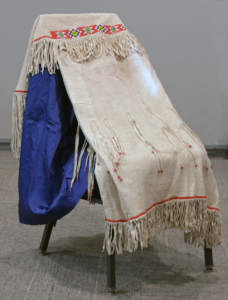

 by Mary Beth Welch – Province IV Representative, NECW