Episcopal Church Women

About Episcopal Church Women

This author has not yet filled in any details.
So far Episcopal Church Women has created 437 blog entries.

Keynote Speaker Catherine Kropp
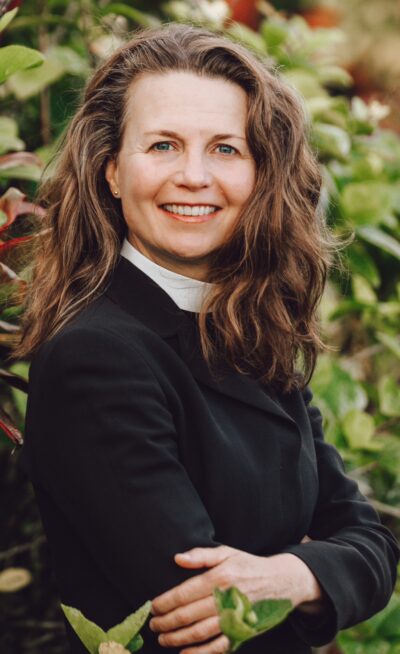
Catharine Kropp NECWThe Rev. Catherine Amy Kropp

Keynote Speaker

The Rev. Catherine Amy Kropp currently serves as Vicar of Christ Memorial Episcopal Church on Kaua’i in Kilauea, Hawai’i. She spent seven months in 2022-2023 as an international volunteer in north Lebanon at a safe house for vulnerable youth with Relief & Reconciliation.

Previously she served in Alaska as Associate Rector at St Mary’s Episcopal Church in Anchorage, and as a traveling instructor and Episcopal priest for Dancing with the Spirit, a music ministry and social change outreach program connecting Alaska Native elders and youth through the joy of music and preserving Alaska Native music, language and culture. She holds an M.Div. and a S.T.M. from Yale Divinity School and a Diploma in Anglican Studies from Berkeley Divinity School at Yale.

Originally from Maine, where she taught high school science and became a registered Maine Guide, she has guided spiritual pilgrimages for all ages in New England, Alaska, and the Northwest Territories.

In her keynote, The Rev. Catherine Amy Kropp will reflect on her experiences as an Episcopal priest and volunteer teacher in Lebanon working with refugees, drawing wisdom from the power of human connection across differences and inspiration from the voice of the youth within a remote and fragile geography.
 

2024-06-13T17:17:53+00:00June 13th, 2024|

Triennial Chaplain 2024 Spanish

Rev Gayle Fisher-StewartConociendo al capellán de la Trienal

Rev. Gayle Fisher-Stewart

El espíritu y la determinación del reverendo Gayle están en constante movimiento. Su carrera en el ámbito policial y como sacerdote está enraizada en la creencia de que la obra de Dios es el norte para seguir por todos nosotros. En ese sentido, su paso por el departamento de policía le mostró lo frágil que es la vida y lo corta que puede llegar a ser. Todos los días los policías salen de casa y no saben si regresaran. Necesitamos aprender a valorar cada día y hacer que cada día cuente.

Ella realmente cree que todos estamos llamados a hacer de este mundo un lugar mejor, especialmente si seguimos a Jesús. Porque para mí, ella dijo, “no tienes que vivir de esta manera si me sigues”, y por eso ella ha pasado su vida tratando de descubrir que se puede hacer para lograr la victoria para la humanidad. Si ella puede ayudar a la humanidad, particularmente a través de la iglesia, entonces tiene un propósito. Acto seguido, ella ha adoptado una cita del astrofísico Neil DeGrasse Tyson: “Es el conocimiento de que voy a morir lo que crea el enfoque que aporto a estar vivo; la urgencia del logro; la necesidad de expresar amor ahora. No temo a la muerte. Temo vivir una vida en la que podría haber logrado algo y no lo hice. Hay una cita de Horace Mann: “Avergüénzate de morir hasta que hayas logrado alguna victoria para la humanidad”. Estos pensamientos circulan en su mente todos los días de su existencia.

La pregunta que se hace es: “¿Cómo puedes ser un agente de cambio para cambiar el mundo?” En respuesta, sus amigos siempre le comentan: “Siempre quieres cambiar el mundo”. Lo antes mencionado es fortalecedor y, al mismo tiempo, humillante cuando aquellos a quienes amas y aprecias hacen aseveraciones tan poderosas sobre tu vida. Tal vez no pueda cambiar el mundo entero, pero ella puede marcar la diferencia en alguna parte. ¿Cómo podemos todos generar cambios y hacer del mundo un lugar mejor? Durante mucho tiempo ella ha tenido en este respecto y sigue teniendo discusiones con la iglesia para lograr dicho cometido. Ultimadamente, Los argumentos planteados iluminan los rincones polvorientos, los espacios que damos por sentado.

Ella tiene dos libros, Preaching Black Lives (Matter), es español se traduciría a: Predicarle a la Raza Negra Importa; y el segundo, Black and Episcopalian: the Struggle for Inclusion o en español se traduciría a: Episcopal y Negro: la Lucha por la Inclusión. En este último libro, dice que la Iglesia Episcopal debe actuar sobre lo que predica. Se están produciendo cambios, cambios lentos, pero la pregunta es: “Si seguimos a Jesús – Jesús renunció a todo, arriesgó todo por nosotros – ¿está dispuesta la Iglesia Episcopal a arriesgar la iglesia para ser como Jesús?”

¿Estás dispuesto a arriesgar la vida misma de la Iglesia para ser como Jesús? Y si no estás dispuesto a arriesgar a la propia iglesia para ser como Jesús, entonces todo esto son palabras y lemas. Mientras la Iglesia Episcopal se ocupa de las reparaciones por la supremacía blanca y el racismo contra los negros, ella (Reverendo Gayle) está trabajando en otro libro, Church Hurt: Reparations for My Soul – Healing Race-based Trauma (La Iglesia duele: Reparaciones para mi alma – Sanando Traumas Raciales.) Si bien el tema del libro se centra en la experiencia afroamericana en la Iglesia Episcopal, las personas traen traumas que se dado de muchas formas en la iglesia, y luego experimentan traumas raciales por parte de la iglesia. Realmente no estamos comprometidos con la curación porque si la iglesia se centrara en sanar el trauma racial, se informaría sobre el trauma y examinaría cada práctica, política, proceso, sacramento y liturgia para asegurarse de que no inflijan trauma, que enaltezcan las diversas culturas que la gente trae a la iglesia.

Si creemos, como decimos, que todo esto es de Dios, y Dios creó todo, y Dios creó mucho, dice Gayle, “tenemos que preguntarnos ¿por qué no todos los hijos de Dios tienen lo que necesitan para prosperar? Entonces ellos, a su vez, pueden servir”. Porque, como dijo Martin Luther King, “es difícil pensar en servir al Señor cuando el estómago te gruñe”. Si creemos en Jesús como decimos, ¿por qué no lo seguimos hasta donde están las personas que sufren, hasta los márgenes de la sociedad, porque ahí es donde encontraremos a Jesús? No en los edificios que amamos, sino en los lugares difíciles y espantosos que evitamos. “Sígueme”, dijo Jesús. No dijo que lo adoráramos. De hecho, en Apocalipsis, cuando Juan se inclinó para adorar a Jesús, Jesús le dijo que se levantara y adorara a Dios, no a él. Pero seguir a Jesús requiere un riesgo, un riesgo que Jesús asumió en la cruz.

Él, Jesús, arriesgó su propia vida, todo por nosotros, para que tuviéramos vida y la tuviéramos en abundancia. ¿Y cómo devolver esta gracia, este favor? Acaparando lo que es de Dios. Viviendo con pobreza, falta de vivienda, odio, maldad, guerra. Elegimos vivir con todos lo que ello implica. Los seres humanos crearon todos los males del mundo y Dios está esperando que arreglemos lo que hemos estropeado.

Al final, Gaylee tararea las palabras de su Himno favorito, “Si yo puedo ayudar a cualquiera, entonces no he vivido en vano.”

2024-06-13T17:11:27+00:00June 13th, 2024|

Triennial Chaplain 2024

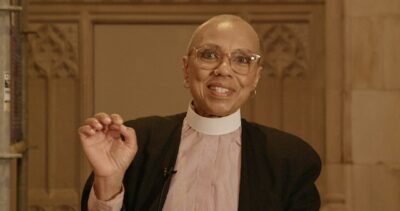
Rev Gayle Fisher-StewartTriennial Chaplain The Rev. Dr. Gayle Fisher-Stewart

Rev. Gayle’s spirit and determination are in constant motion. Her career in law enforcement and as a priest are entwined by the belief that God’s work is the direction for us all to follow. Her time on the police department showed her how fragile life is and how short it can be. Every day police officers leave home and don’t know if they will return. We need to learn how to value each and every day and to make each day count.

She truly believes we are all called to make this world a better place, especially if we follow Jesus. Because for me, He said, “you don’t have to live this way if you follow me,” and so she has spent her life trying to figure out what she and others can do to have victory for humankind. If she can be a help to humankind, particularly through the church, then she has a purpose. She has adopted a quote by the astrophysicist, Neil deGrasse Tyson, “It is the knowledge that I’m going to die that creates the focus that I bring to being alive; the urgency of accomplishment; the need to express love now. I don’t fear death. I fear living a life where I could have accomplished something and didn’t. There is a quote from Horace Mann, ‘Be ashamed to die until you have scored some victory for humanity.’” That is on her mind every single day.

The question she asks, “How can you be a change agent to change the world?” In response, her friends always say, “You always want to change the world.” It is empowering and yet humbling when those you love and cherish make such powerful affirmations about your life. Maybe she can’t change the whole world, but she can make a difference, somewhere. How can we all create change, make this place a better place? And for the longest time she has and people will say, she continues to have arguments with the church. Arguments bring light to the dusty corners, the spaces we take for granted.

She has two books, Preaching Black Lives (Matter) and the second one, Black and Episcopalian: the Struggle for Inclusion. In Black and Episcopalian, it says that the Episcopal Church needs to take action on what it preaches. Change is happening, slow changes, but the question is, “If we follow Jesus – Jesus gave up everything, risked everything for us – is the Episcopal Church willing to risk the church to be like Jesus?”

Are you willing to risk the very life of the Church to be like Jesus? And if you’re not willing to risk the very church to be like Jesus, then all of this is words and slogans. As the Episcopal Church deals with reparations for white supremacy and anti-black racism, she is working on another book, Church Hurt: Reparations for My Soul – Healing Race-based Trauma. While focusing on the African American experience in the Episcopal Church, people bring racialized trauma in many forms to the church and then experience racialized trauma by the church. We are not really engaged in healing because if the church focused on healing racialized trauma, it would become trauma-informed and look at every practice, policy, process, sacrament, and liturgy to ensure they don’t inflict trauma, that they lift up the various cultures people bring to the church.

If we believe as we say we believe that all of this is God’s, and God created everything, and God created plenty, Gayle says, “we have to ask why don’t God’s children all have what they need to thrive? So, they can in turn serve God.” Because as Martin Luther King said, “it’s hard to think about serving the Lord when your stomach is growling.” If we believe in Jesus as we say we do, why won’t we follow him to where the hurting people are, to the margins, because that is where we will find Jesus. Not in the buildings we love, but in the difficult and hideous places we shun. “Follow me,” Jesus said. He didn’t say to worship him. In fact, in Revelation, when John bent down to worship Jesus, Jesus told him to get up and worship God, not him. But to follow Jesus requires a risk, a risk Jesus took on the cross.

He risked his very life, everything for us, so we might have life and have it more abundantly. And how do we return this grace, this favor? By hoarding what is God’s. By living with poverty, homelessness, hatred, evil, war. We choose to live with them all. Human beings created all the ills of the world and God is waiting on us to fix what we have messed up.

In the end, Gayle hums the words of a favorite hymn, “if I can help somebody, then my living will not be in vain.”


2024-06-13T17:10:17+00:00June 13th, 2024|

Opening Ceremony National Board

Blue ECW CrossAs is customary, the national board dresses and enters the Triennial opening ceremony attired as a prior leader of the Church, the Bible, or historical figure. These representations illustrate ideals each board member wishes  to share with the women gathered at Triennial. As you read through this issue of the Communique’, be aware of the blue ECW crosses. Each of the woman’s persona is marked with this cross.
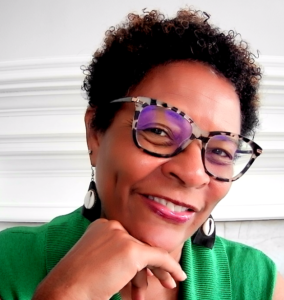
 

Triennial President by Karen Patterson

 From Julia Chester Emery in 1876 to the present day, The Episcopal Church Women have led the work in support of missions throughout the church, support of women’s issues and women’s rights to serve as deputies and be ordained, as well as reaching out to those less fortunate throughout the Episcopal Communion and the world.

Lydia by Pat Wellnitz

Lydia ran a successful business, selling a luxury product, purple cloth. This was a unique achievement for a woman during the male-dominated Roman empire. Lydia and her entire household were baptized in the waters of the river.  Thus, she became the first woman of Macedonia to be enrolled as a citizen of the Kingdom of Heaven.

Esther by Samar Fay

Esther was a young woman who rescued her people, the Jewish minority, in the Persian empire. She begins as a humble person and becomes an active figure in the court, employing the age-old strategies of the powerless, especially women: sex, persuasion, and hospitality (the dinners she staged).

Esther tells the story of how the Jews rely on their own devices and find resources they never knew they had.

Esther’s uncle Mordicai says, “Perhaps you have come to royal dignity for just such a time as this.” Esther 4:14.

By her manipulation of her husband, Ahasuerus, Esther thwarts the intent of the evil minister Haman to destroy all the Jews in Persia.

Ruth Cummings Jellison by Margaret Noel

At Ruth Jellison’s funeral the eulogist said: “Your loss is commensurate with the joy, wisdom and care that she gave to your life.” He asked: What did you learn from Ruth Jellison? Did you learn about civic responsibility? Did you learn about organizing people to create a better community? Did you learn about commitment to family, community, church and God?  Did you learn to put a worm on a hook that you could go fishing? Did you learn that it was better to be a person who made the “other” feel important, special and above all loved, unconditionally loved?”   Ruth lived from 1923 – 2010.

Martha and Mary by Jennifer Kenna

I am Martha and Mary,

because, you see,

I believe some of each

dwells in me.

As Martha I host, I serve, I feed

but deep inside something else I need.

To be like Mary:  to sit with the Lord,

to watch and listen, to heed his words.

And then renewed with the faith I need

Go host and serve, go love and feed.

Mary Magdalene by Cindy Mohr

Mary Magdalene was one of the woman who accompanied and supported Jesus and the apostles. She was present at the crucifixion. Mary was also the first to witness the resurrection, which Jesus told her to announce to his disciples. She is known as the “apostle to the Apostles.” Mary Magdalene is commemorated in the Episcopal calendar of the church year on July 22.

Amelia Earhart by Mary Beth Welch

December 17, 1903, in Kitty Hawk, NC and 12 seconds that changed the world forever – a plane made of fabric and wood flew! This feat was an inspiration to adventure-loving Amelia Earhart. A cradle Episcopalian, she was one of the first women pilots. She set many records, among them being the first woman pilot to cross the Atlantic Ocean solo. Amelia used her fame to tell women how to pursue their dreams.

Eleanor Roosevelt by Jan Goossens

Eleanor Roosevelt had a very public life.  She was First Lady of the United States, First Chair of the United Nations Commission on Human Rights, First United States Representative to the United Nations Commission on Human Rights.  She established a planned community for unemployed miners.  Lived 1884-1962.

St. Teresa of Avila by Beth Agar

St. Teresa was born near Avila, Spain in 1515. From an early age, she felt the call to spiritual practices, studying saints’ lives. Poor health plagued her all her life. It necessitated the cessation of her studies at the convent where she was being educated, and later, removal from the Carmelite Convent of the Incarnation where she had been a postulant. After suffering as an invalid for three years, she returned to the convent. However, she was bothered by the laxness that she observed in the Carmelite rule and became more interested in meditation, which resulted in visions.  She began a Reformed Carmelite order that required more of the members and traveled for the next 25 years around Spain establishing 17 convents. She was a gifted writer, sharing her thoughts and concerns and still today, we benefit from her words.

Ruth the Moabite by Lisa Bortner

For where you go I will go, and where you lodge I will lodge. Your people shall be my people, and your God my God.  Ruth 1:16

Annie Wauneka by Madeline Sampson

 Annie Dodge Wauneka (née Dodge; April 11, 1910 – November 10, 1997) was an influential member of the Navajo Nation as member of the Navajo Nation Council. As a member and three term head of the council’s Health and Welfare Committee, she worked to improve the health and education of the Navajo. Wauneka is widely known for her countless efforts to improve health on the Navajo Nation, focusing mostly on the eradication of tuberculosis within her nation. She also authored a dictionary, which translated English medical terms into the Navajo language.

Debora, the Judge by Luz – Province IX

 Words that described Debora: Leadership, Empowerment, Fighter, Warrior, Wisdom, and Faith Strong Full of God Knew

Liderazgo

Empoderamiento

Luchadora

Guerrera

Sabiduría y Fe

Fuerte

Llena de Dios

Sabia


2024-06-13T16:59:55+00:00June 13th, 2024|

Algunos pensamientos acerca de la oración

Kathy CulmerCuando cada Oración no comienza con el “Padre Nuestro” o culmina con “Amen”

A veces la oración es la vía a la respuesta.

A veces la oración es la llave que se usa para liberar la respuesta.

A veces es el candado que se abre para recibir la respuesta.

A veces es nuestro asombro y ofertorio en contestación a la respuesta.

Pero sin menoscabo alguno, en todas las cosas y siempre, la oración es la respuesta.

“Yo oro porque no lo puedo evitar. Yo oro porque estoy desahuciado. Yo oro porque la necesidad de hacerlo se desborda fuera de mi todo el tiempo, caminando y durmiendo. No cambia a Dios. Me cambia a mí.”

―C. S. Lewis

Como C. S. Lewis, oro porque no puedo evitarlo. Oro porque hay una necesidad en mí de hacerlo. Ya sea para hacer una petición o intercesión, ofrecer contrición o acción de gracias, buscar guía divina o protección, o simplemente expresar mi total dependencia de Dios, ya sea en la congoja o celebración, mi alma clama, con o sin palabras.

Después de años de tratar de encontrar la fórmula correcta, las palabras correctas, la forma correcta de rezar y de atribuir resultados no deseados a mi fracaso en “hacerlo bien”, me he dado cuenta de que el poder de la oración no es tanto el resultado de las palabras que proferimos cuando oramos si no la actitud con la que oramos. Se trata de nuestra total confianza en Aquel a quien oramos. “Sin fe es imposible agradar a Dios”, nos dice hebreos 11:6. “Para cualquiera que quiera acercarse a Dios, primero debe creer que Dios existe y que recompensa a quienes lo buscan sinceramente”. Las palabras ya Dios las conoce: “Antes que una palabra esté en mi lengua, tú, Señor, la conoces plenamente (Salmo 139:4)”.

Creo que a Dios le importa más lo que dicen nuestros corazones que nuestras palabras, cuando rezamos. Así que nunca dejes de rezar porque no sabes que decir. Incluso en el silencio, Dios escuchará lo que el corazón tiene que decir. A veces las palabras pueden incluso interponerse o estorbar.

Con el pasar de los años, he escrito algunas de mis ideas y observaciones sobre la oración, que compartiré aquí en el resto de este artículo, pero no con la intención de asesorar, instruir o recomendar prácticas para la oración. Mi deseo es simplemente compartir estas ideas con la esperanza de que puedan ampliar sus maneras de abordar la oración, lo cual tal vez de alguna manera pueda ayudar a enriquecer su vida de oración.

La oración es como volver a tu amado…aquel que te ama y te espera…con júbilo…no algo hecho por deber u obligación…sino con alegría y anhelo…con ansias de disfrutar de la compañía una vez más…. A veces es un regreso muy esperado…a veces ese regreso se hace desde una distancia mucho mayor….a veces cargando una cruz más pesada que en tiempos anteriores…pero sabiendo…empero…que Tu amado…Aquel que es el amante y cuidador de tu alma…Aquel que te adora y adora y es digno de ser adorado…estará allí para darte la bienvenida…se deleitará en escuchar tu voz y hablarle a tu corazón…de profundidad a profundidad…estando allí en tu presencia…recibiendo tu alabanza y petición…proporcionándote descanso…y refrigerio…haciendo que todas las cosas estén bien y sean renovadas…una vez más…solo para ti. Sí, la oración, en su máxima expresión… es como pasar tiempo con tu amado… ¡amando y siendo amado en reciprocidad!

Señor, te doy gracias porque no importa qué, cómo o cuándo oro, Tú escuchas… que la ausencia de palabras no es una barrera para Ti.… que puedes discernir con la misma facilidad los susurros, los suspiros e incluso el silencio cuando dibujo. cerca de ti. Señor, te doy gracias porque en Tu misericordia escuchas mi oración y respondes al clamor de mi corazón.

Manteniéndonos recargados

Vivimos en un mundo impulsado por la tecnología, lleno de dispositivos que ayudan a satisfacer nuestras necesidades o satisfacer algún deseo. Dependemos de estos dispositivos para que nos den direcciones, administren nuestros horarios y nos mantengan conectados. Sin embargo, desde el primer clic de la mañana y con cada clic o golpe posterior, su suministro de energía se va agotando. Necesitan recargarse constantemente para funcionar según lo diseñado.

Para mantenerlos operativos, tenemos cargadores en nuestras casas, en nuestros automóviles, en nuestros bolsillos o carteras. Nos volvemos frenéticos y frustrados cuando no podemos encontrar uno o cuando la batería se está agotando. Tememos perder el poder. La oración es como esos cargadores. Nos permite acceso inmediato a Dios, nuestra principal fuente de poder. La oración nos mantiene cargados y conectados. Nos da poder para seguir andando.

Ora. Sin cesar. Te ayudara a evitar un corte de energía.

Solo ora

¿Acaso la preocupación te abruma sobre el que dirás?

¿Cuándo lo único que quiere Dios de nosotros es que simplemente oremos?

Ven ante la presencia de Dios

Pasa tiempo con El, que nos escuche

Ven a El

No importa el lugar, el tiempo del día

O lo manera.

Solo ora.

Solo ora.

Cielos azules o grisáceos

Ora de cualquier forma.

Si las palabras no salen perfectamente

Eso está bien

¿Qué es la perfección de cualquier manera?

No te preocupes por la postura o la posición al hacerlo

arrodillados, parados o postrados

Tu opción es orar sin que importe nada.

Dios es escuchando lo que tu corazón quiere decir

Sin importar las circunstancias que rodeen tu vida

Dios siempre está cerca cuando oras

Solo ora.

Elementos adicionales a petición:

Kathy Culmer es autora, educadora cristiana, narradora profesional, oradora, maestra y líder de retiros. Se graduó de Spelman College, la Universidad del Sur de Florida y el United Theological Seminary (Seminario Teologal Unido) con un Doctorado en Ministerio especializado en Narración Bíblica.

2024-04-09T16:34:41+00:00April 9th, 2024|

Some Thoughts on Prayer

Kathy CulmerWhen Every Prayer Doesn’t Begin with “Our Father” or End with “Amen”

Sometimes prayer is the way to the answer.


Sometimes prayer is the key that is turned to release the answer.


Sometimes it is the lock that is opened to receive the answer.


Sometimes it is our awe and offering in response to the answer.


But no matter what, in all things and always, prayer is the answer.

“I pray because I can’t help myself. I pray because I’m helpless. I pray because the need flows out of me all the time, waking and sleeping. It doesn’t change God. It changes me.”

―C. S. Lewis

Like C. S. Lewis, I pray because I can’t help myself. I pray because there is a need in me to do so. Whether to make a petition or intercession, offer contrition or thanksgiving, seek direction or protection, or to express my utter dependence on God, whether in sorrow or celebration, my soul cries out—with or without the words.

After years of trying to find the right formula, the right words, the right way to pray, and attributing undesired outcomes to my failure to “get it right,” I have realized that the power of prayer isn’t nearly as much the result of words we speak when we pray as it is about the attitude with which we pray. It is about our complete trust and confidence in the One to whom we are praying. “Without faith it is impossible to please God,” Hebrews 11:6 tells us. “For anyone who wants to come to God must first believe that God exists and that he rewards those who sincerely seek him.” The words God already knows: “Before a word is on my tongue you, Lord, know it completely (Psalm 139:4).”

I think God cares more about what our hearts are saying than our words, when we’re praying. So never fail to pray because you don’t know the words to say. Even in the silence, God will hear what the heart has to say. Sometimes the words can even get in the way.

Over the years, I have written some of my insights and observations on prayer, which I will share here in the remainder of this article, but not with the intent to advise, instruct or in any way recommend practices for prayer. My desire is simply to share these insights in hopes that they might broaden your perspectives on prayer, perhaps in ways that may somehow help to enrich your prayer life.

Prayer is like a return to your beloved…one who loves you and awaits you…with joy…not a thing done out of duty or obligation…but with joy and anticipation…with eagerness to share company once more…. Sometimes it is a long awaited return…sometimes returning from a greater distance….sometimes carrying a heavier weight…but knowing…nonetheless…that Your beloved…the One who is the lover and caretaker of your soul…the One who adores you and adores being adored…will be there to welcome you…delights in hearing your voice and speaking to your heart…deep to deep…being in your presence…receiving your praise and petition…providing you rest…and refreshment…making all things well and new…once more…for you. Yes, prayer, at its best…is like spending time with your beloved…loving and being loved!

Even when the utterance of my heart cannot be articulated by tongue and lips to form a single word…or cannot by the human ear be audibly heard…perhaps not even my own…my heart still speaks…in a language that You, O Lord, alone can hear and discern.

Lord, I Thank You that no matter what or how or when I pray, You hear…that the absence of words is no barrier to You…that You can just as easily discern whispers, sighs and even silence when I draw near…to You. Lord, I thank You that in Your mercy, You hear my prayer and answer my heart’s cry.

Staying Charged

We live in a technology-driven world, full of devices to help meet our needs or satisfy some desire. We rely on these devices to give us directions, manage our schedules and keep us connected. From the first click of the morning, however, and with each subsequent click or stroke, their energy supply is being depleted. They constantly need recharging to function as designed.

To keep them operational, we have chargers in our homes, our cars, in our pockets or purses. We become frantic and frustrated when one can’t be found, or when the battery is running low. We fear losing power. Prayer is like those chargers. It allows us immediate access to God, our ultimate power source. Prayer keeps us charged and connected. It gives us power to keep running.

Pray. Without ceasing. It will help you avoid a power outage.

Just Pray

Could it be we worry too much about what we will say,

When all God wants us to do is just pray?

Come into God’s presence

Spend some time, have our say

Come to Him

No matter the place, the time of day

Or the way.

Just pray.

Just pray.

Blue skies or gray

Pray anyway.

If the words are not perfect

That’s okay

What’s perfect anyway?

Don’t worry about posture or position

Kneeling, upright or prostrate lay

Your choice to pray any way.

God is listening for what your heart has to say

Whatever circumstance in life comes your way

God is never farther than a prayer away

Just pray.

Kathy Culmer is an author, Christian educator, professional storyteller, speaker, teacher and retreat leader.

She is author of the 2020 story series for the Episcopal Diocese of Texas: “Moving Forward in Truth: The African American Experience of Episcopalians in the Diocese of Texas.”


2024-04-09T16:30:49+00:00April 9th, 2024|

St Thomas and the Abbey – Grant

St Thomas GrantThe Rev. Josiah Rengers
2870 Acton Rd.,
Birmingham, Al

Dear Reverand Rengers:

Thank you for your recent request for a National ECW Board Universal grant for $5,000.00 to help the collaborative outreach ministry between Saint Thomas and the Abbey.

We are honored to fund this Grant because it will be helping a worshipping community in the inner city of Birmingham, Alabama.  Please make sure that you file a written report to the NECW on how the funds were used and how the purpose/objective was achieved and evaluated.

Again, congratulations and we look forward to hearing from you.

God bless,

Annie Kate Jacobs, Chairperson

NECW Social Justice

2024-04-09T16:22:59+00:00April 9th, 2024|

Montgomery Bus Boycott: Jo Ann Robinson

Jo Ann Robinson Montgomery Bus BoycottExcerpt from National Museum of African American History & Culture

Born on April 17, 1912, in Culloden, Georgia, Robinson distinguished herself early as the valedictorian of her high school class, went on to become the first person in her family to graduate from college, and then fulfilled her dream of becoming a teacher.

She taught in the Macon, Georgia, public schools for five years while earning a master’s degree from Atlanta University. She also pursued English studies at Columbia University in New York City. She moved to Montgomery in 1949 to teach at Alabama State College.

In Montgomery, she became active in the Women’s Political Council (WPC), a local civic organization for African American professional women that was dedicated to fostering women’s involvement in civic affairs, increasing voter registration in the city’s black community, and aiding women who were victims of rape of assault.

Soon after arriving in Montgomery, Robinson was verbally attacked by a public bus driver for sitting in the “whites only” section of the bus. When she became the WPC’s president the following year, she made desegregating the city’s buses one of the organization’s top priorities.

The WPC repeatedly complained to the Montgomery city leaders about unfair seating practices and abusive driver conduct. But the group’s concerns were dismissed, leading Robinson to begin laying plans for a bus boycott by the city’s African American community. Following Rosa Park’s arrest in December 1955 for refusing to give up her bus seat to a white person, Robinson and a few associates jumped into action. They copied tens of thousands of leaflets and distributed them across the city, calling for a one-day boycott.

Following the overwhelming success of the one-day boycott, Montgomery’s black citizens decided to continue the campaign, establishing the Montgomery Improvement Association (MIA) to organize the effort and electing Dr. Martin Luther King Jr. as the MIA’s president.

Robinson chose not to accept an official MIA position for fear of jeopardizing her job at Alabama State, but she worked behind the scenes as a member of the MIA’s executive board, wrote and edited the MIA weekly newsletter, and volunteered in the carpool system that helped African Americans get to and from work.

In his memoir of the boycott, Stride Toward Freedom, Dr. King said of Robinson, “Apparently indefatigable, she, perhaps more than any other person, was active on every level of the protest.”

Despite Robinson’s efforts to stay out of the limelight, she was among a group of boycott leaders arrested but never tried. She was also targeted with several acts of intimidation. One local police officer threw a stone through her window, and another poured acid on her car. Eventually, Alabama’s governor ordered the state police to guard the homes of Robinson and other boycott leaders.

The boycott continued until December 20, 1956, when the U.S. Supreme Court declared segregated seating on buses unconstitutional.

The Montgomery Bus Boycott was one of the first successful protest of segregation in the Deep South, inspiring other nonviolent civil rights protest. It also established Dr. King as a prominent national figure. Robinson was especially proud of the role that women played in boycott’s success, saying:

Women’s leadership was no less important to the development of the Montgomery Bus Boycott than was the male and minister-dominated leadership.

In a 1976 interview, Robinson pointed out, “That boycott was not supported by a few people; it was supported by 52,000 people.”

After the boycott victory Robinson continued to teach at Alabama State until 1960, when she and other faculty supporters of student sit-ins at the college resigned. She went on to teach at Grambling College in Louisiana, then moved to Los Angeles, where she taught in the public school system until her retirement in 1976.

Her memoir, The Montgomery Bus Boycott and the Women Who Started It, was published in 1987. In it she expressed her great pride in the boycott’s success. She remained actively involved in her community and in local politics until her death in Los Angeles on August 29, 1992.

2024-04-09T15:57:39+00:00April 9th, 2024|

Los Derechos de las Mujeres Creencias Fundacionales de la Iglesia Unida de Mujeres – Siglas en

Referencias Bíblicas:

En la familia de Cristo no puede haber entre división judíos y No-judíos, esclavos o liberados, hombre o mujer. Entre nosotros todos ustedes son iguales. Es decir, todos estamos en una relación común con Jesucristo. Gálatas 3:28 El Mensaje.

Lo mismo aplica a los esposos: Sed buenos esposos con sus esposas. Deben honrarlas, deleitarse en ellas. Como mujeres ellas carecen de algunas de sus ventajas. Pero en la nueva vida de la Gracia Divina, ustedes están a la par. Traten a sus esposas, entonces, en igualdad de condiciones para que sus plegarias sean eficaces. I Pedro 3:7 El Mensaje

Asunto: Los derechos de las mujeres son derechos humanos, enteramente protegidos en la Declaración Universal de Derechos Humanos de las Naciones Unidas.1 Las mujeres constituyen la mitad de la población mundial y tienen derecho a todos los derechos humanos en igualdad de condiciones que los hombres. La atención yace aquí en los derechos a: la educación; igualdad en el matrimonio y la vida familiar; un nivel de vida adecuado; acceso a alimentos, agua y saneamiento; empleo; y ocupación.

Razón fundamental:

El Derecho a la Educación:

El derecho a la educación está avalado por la Oficina del Alto Comisionado de Derechos Humanos de las Naciones Unidas2 en el Pacto Internacional de Derechos Económicos, Sociales y Culturales, la Convención sobre los Derechos del Niño, la Convención sobre la Eliminación de Todas las Formas de Discriminación contra la Mujer y la Convención sobre los Derechos de las Personas con Discapacidad. Además de exigir la no discriminación en el disfrute del derecho a la educación y la educación primaria universal y gratuita, las normas de derechos humanos también requieren que los Estados aborden los obstáculos particulares que enfrentan las niñas y las mujeres para acceder a la educación al igual que los matrimonios precoces, los embarazos, el trabajo infantil y la violencia aunada a ello. Garantizar la igualdad en la educación exige recursos financieros, así como una sensibilización continua sobre la importancia de la educación de las niñas.

El Derecho a la Igualdad en el Matrimonio y la Vida Familiar

La Convención sobre la Eliminación de Todas las Formas de Discriminación contra la Mujeres3 determina que los Estados partes adopten “todas las medidas apropiadas para eliminar la discriminación contra la mujer en todos los asuntos atinentes al matrimonio y las relaciones familiares”.4 El derecho a la igualdad entre hombres y mujeres en el matrimonio y la familia también están reconocidos en varios instrumentos de derechos humanos, incluidos la Declaración Universal de Derechos Humanos, el Pacto Internacional de Derechos Civiles y Políticos, la Convención sobre la eliminación de todas las formas de discriminación contra la mujer, la Convención sobre la nacionalidad de la mujer casada y la Convención sobre la nacionalidad de la mujer casada. la Convención sobre el consentimiento para el matrimonio, la edad mínima para contraer matrimonio y el registro del matrimonio. Empero, las mujeres están por detrás de los hombres en el disfrute de los derechos relacionados con la igualdad en el matrimonio y la vida familiar.

El Derecho a un Estándar de Vida Adecuado

El Pacto Internacional de Derechos Económicos, Sociales y Culturales establece el derecho a una alimentación, vestido y vivienda adecuados y a la mejora continua de las condiciones de vida como parte del derecho a un nivel de vida adecuado para uno mismo y su familia.5 Los derechos de las mujeres a la propiedad y heredar tierras y propiedades, así como trabajar con un salario digno, incluida la seguridad en la jubilación, están intrínsecamente relacionados al derecho a alcanzar un nivel de vida adecuado. Todos estos derechos están garantizados por el derecho internacional de los derechos humanos, incluido el derecho a disfrutar de estos derechos en igualdad de condiciones con los hombres, sin discriminación.

Comida, Agua, y Saneamiento

Los derechos a la alimentación, el agua y el saneamiento son cruciales para el bienestar, la dignidad y el goce de otros derechos humanos de las mujeres.6 La mala nutrición femenina en las primeras etapas de la vida reduce el potencial de aprendizaje y la productividad y aumenta los riesgos atinentes a la salud reproductiva y materna. Esto debilita los intentos de eliminar las desigualdades de género a lo largo de la vida de una mujer, lo que tiene un efecto adverso en cuestiones como el acceso de las mujeres a los recursos. Invertir en la nutrición de las mujeres mejora la capacidad general de desarrollo de un país, teniendo en cuenta el papel que despliegan las mujeres en el hogar con respecto a la producción y preparación de alimentos come el cuidado de los niños.

Empleo y ocupación

La discriminación basada en el género niega a las mujeres el derecho a la igualdad de oportunidades y de trato en materia de empleo y elección de ocupaciones laborales. Numerosos convenios de la Organización Internacional del Trabajo son pertinentes desde el prisma de la igualdad de género, incluidos convenios sobre la promoción del empleo y las condiciones de trabajo, así como sobre las categorías específicas de personas con VIH/SIDA, pueblos indígenas y tribales, trabajadores migrantes y trabajadores domésticos.7 El Convenio sobre remuneraciones núm. 100 (1951) buscaba garantizar la igualdad de pago para hombres y mujeres por un trabajo de igual valor.8 El Convenio sobre trabajadores con responsabilidades familiares núm. 156 (1981) reconocía que tanto “los trabajadores como las mujeres con responsabilidades en relación con otros miembros de su núcleo familiar cercano que claramente necesiten su cuidado o apoyo” experimentan “posibilidades restringidas de prepararse, ingresar, participar o avanzar en la actividad económica” y pidió el fin de la discriminación de los trabajadores con responsabilidades familiares.9 El Convenio sobre la Protección de la Maternidad 183 (2000)10 pedía la protección en el empleo y la no discriminación de las mujeres que estaban embarazadas o en permiso Postnatal, lo que incluía la protección de la salud de las mujeres embarazadas y lactantes, permiso posnatal adecuado, permiso en caso de enfermedad o complicaciones y garantía del derecho a que una mujer regrese al mismo puesto o a un puesto equivalente al final de su permiso de maternidad.

Posición de CWU:

Como parte del Valor Fundamental de Justicia Social de CWU (Iglesia Unida de Mujeres), que establece: “Trabajamos para una implementación más completa de la Declaración Universal de Derechos Humanos”, CWU apoya los derechos de las mujeres tal como se reconocen en las numerosas declaraciones citadas anteriormente, incluida La Declaración Universal de Derechos Humanos de las Naciones Unidas, el Pacto Internacional de Derechos Civiles y Políticos y la Convención de las Naciones Unidas sobre la eliminación de todas las formas de discriminación contra la mujer. Se alienta a los miembros del CWU a monitorear la legislación que afecta a las mujeres en todos los niveles de gobierno local, estatal y nacional y a manifestarse en contra de cualquier acción legislativa que discrimine a las mujeres y las familias. También se alienta a los miembros del CWU a colaborar con sus coetáneos en el desarrollo de legislación a nivel de gobierno local, estatal y federal que mejorará la condición de la mujer garantizando así sus derechos. CWU también apoya los esfuerzos de organizaciones que trabajan por los derechos de las mujeres a lo largo del mundo.

1 naciones Unidas, https://www.un.org, ingresada el 10 de agosto de 2023, https://www.un.org/en/about-us/universaldeclaration-of-human-rights

2 Oficina del Alto Comisionado de Derechos Humanos en las Naciones Unidas, ingresada el 10 de Agosto de 2023, https://www.ohchr.org/en/about-us/high-commissioner

3 Ibid., https://www.ohchr.org/en/instruments-mechanisms/instruments/convention-elimination-all-formsdiscrimination- against-women

4 Ibid., https://www.ohchr.org/en/instruments-mechanisms/instruments/convention-elimination-all-formsdiscrimination-against-women

5 Ibid., https://www.ohchr.org/en/instruments-mechanisms/instruments/international-covenant-economic-social-andcultural-rights

6 Ibid., https://www.ohchr.org/en/stories/2011/10/women-and-girls-and-their-right-sanitation

7 Organización del Trabajo Internacional, ingresada el 10 de agosto de 2023, https://www.ilo.org

8 Ibid., https://www.ilo.org/dyn/normlex/en/f?p=NORMLEXPUB:12100:0::NO::P12100_ILO_CODE:C100

9 Ibid., https://www.ilo.org/dyn/normlex/en/f?p=NORMLEXPUB:12100:0::NO::P12100_ILO_CODE:C156

10 Ibid., https://www.ilo.org/dyn/normlex/en/f?p=NORMLEXPUB:12100:0::NO::P12100_ILO_CODE:C183

2024-04-09T15:53:25+00:00April 9th, 2024|

Women’s Rights Foundational Beliefs of Church Women United

Biblical References:

In Christ’s family there can be no division into Jew and non-Jew, slave and free, male and female. Among us you are all equal. That is, we are all in a common relationship with Jesus Christ. Galatians 3:28 The Message

The same goes for you husbands: Be good husbands to your wives. Honor them, delight in them. As women they lack some of your advantages. But in the new life of God’s grace, you’re equals. Treat your wives, then, as equals so your prayers don’t run aground. I Peter 3:7 The Message

Issue:

Women’s rights are human rights, fully protected in the United Nations’ Universal Declaration of Human Rights.1 Women constitute half the world’s population and are entitled to all human rights on an equal basis with men. The focus here is on the rights to: education; equality in marriage and family life; an adequate standard of living; access to food, water and sanitation; employment; and occupation.

Rationale:

Right to Education

The right to education is recognized by the United Nations Human Rights Office of the High Commissioner2 in the International Covenant on Economic, Social and Cultural Rights, the Convention on the Rights of the Child, the Convention on the Elimination of All Forms of Discrimination against Women and the Convention on the Rights of Persons with Disabilities. Besides calling for non-discrimination in the enjoyment of the right to education and free universal primary education, human rights law also requires States to address the particular obstacles that girls and women face in accessing education, such as early marriages, pregnancies, child labor and violence. Ensuring equality in education requires financial resources as well as continued awareness-raising about the importance of girls’ education.

Right to Equality in Marriage and Family Life

The Convention on the Elimination of All Forms of Discrimination against Women3 requires State parties to take “all appropriate measures to eliminate discrimination against women in all matters relating to marriage and family relations.”4 The right to equality between men and women in marriage and family life is also recognized in various human rights instruments, including the Universal Declaration of Human Rights, the International Covenant on Civil and Political Rights, the Convention on the Elimination of All Forms of Discrimination against Women, the Convention on the Nationality of Married Women, and the Convention on Consent to Marriage, Minimum Age for Marriage and Registration of Marriages. Women nevertheless lag behind men in the enjoyment of rights related to equality in marriage and family life.

Right to an Adequate Standard of Living

The International Covenant on Economic, Social and Cultural Rights mentions the right to adequate food, clothing, housing and the continuous improvement of living conditions as part of the right to an adequate standard of living for oneself and one’s family.5 Women’s rights to own and inherit land and property, as well as work at a living wage including security in retirement, are intrinsically linked to the right to attain an adequate standard of living. All these rights are guaranteed under international human rights law, including the right to enjoy these rights on an equal basis with men, without discrimination.

Food, Water and Sanitation

The rights to food, water and sanitation are crucial for women’s well-being, dignity and enjoyment of other human rights.6 Poor female nutrition early in life reduces learning potential and productivity and increases reproductive and maternal health risks. This undermines attempts to eliminate gender inequalities throughout a woman’s lifespan, thus having an effect on issues such as women’s access to resources. Investing in women’s nutrition improves the overall development capacity of a country, considering the role women have in the household with regard to food production, food preparation and childcare.

Employment and Occupation

Discrimination based on gender denies women the right to equal opportunity and treatment regarding employment and choice of occupations. Numerous International Labour Oganization conventions are relevant from the perspective of gender equality, including conventions on employment promotion and working conditions as well as on specific categories such as persons with HIV/AIDS, indigenous and tribal people, migrant workers and domestic workers.7 The Equal Remuneration Convention No. 100 (1951) sought to assure equal remuneration for men and women workers for work of equal value.8 The Workers with Family Responsibilities Convention No. 156 (1981) recognized that both “men and women workers with responsibilities in relation to other members of their immediate family who clearly need their care or support” experience restricted “possibilities of preparing for, entering, participating in or advancing in economic activity” and called for an end to discrimination of workers with family responsibilities.9 The Maternity Protection Convention No. 183 (2000)10 called for employment protection and nondiscrimination of women who were pregnant or on leave after childbirth that included health protection for pregnant and breastfeeding women, adequate maternity leave, leave in case of illness or complications and guarantee of the right of a woman to return to the same or equivalent position at the end of maternity leave.

CWU Position:

As part of the CWU Core Value of Social Justice, which states, “We work for a fuller implementation of the Universal Declaration of Human Rights,” CWU supports the rights of women as recognized in the many statements cited above, including the United Nations’ Universal Declaration of Human Rights, the International Covenant on Civil and Political Rights, and the UN Convention on the Elimination of All Forms of Discrimination Against Women. CWU members are encouraged to monitor legislation affecting women at all local, state and national levels of government and speak out against any legislative action that discriminates against women and families. CWU members are also encouraged to collaborate with others in developing legislation at local, state and federal levels of government that will improve the status of women by guaranteeing the rights of women. CWU also supports the efforts of organizations that work for women’s rights across the globe.

1 United Nations, https://www.un.org, accessed August 10, 2023, https://www.un.org/en/about-us/universaldeclaration-of-human-rights

2 United Nations Human Rights Office of the High Commissioner, accessed August 10, 2023, https://www.ohchr.org/en/about-us/high-commissioner

3 Ibid., https://www.ohchr.org/en/instruments-mechanisms/instruments/convention-elimination-all-formsdiscrimination- against-women

4 Ibid., https://www.ohchr.org/en/instruments-mechanisms/instruments/convention-elimination-all-formsdiscrimination-against-women

5 Ibid., https://www.ohchr.org/en/instruments-mechanisms/instruments/international-covenant-economic-social-andcultural-rights

6 Ibid., https://www.ohchr.org/en/stories/2011/10/women-and-girls-and-their-right-sanitation

7 International Labour Organization, accessed August 10, 2023, https://www.ilo.org

8 Ibid., https://www.ilo.org/dyn/normlex/en/f?p=NORMLEXPUB:12100:0::NO::P12100_ILO_CODE:C100

9 Ibid., https://www.ilo.org/dyn/normlex/en/f?p=NORMLEXPUB:12100:0::NO::P12100_ILO_CODE:C156

10 Ibid., https://www.ilo.org/dyn/normlex/en/f?p=NORMLEXPUB:12100:0::NO::P12100_ILO_CODE:C183


2024-04-09T15:50:23+00:00April 9th, 2024|
Go to Top